
Young Miss - July 1979
Young Miss was a popular American teen magazine for girls aged 12 - 15, focusing on fashion, beauty, relationships, and advice. Notice the headline at the very top "A New Look at Teenage Sex... It’s Okay to Say No!" directly above a photo of a young gymnast in a high-cut leotard. This highlights the sexualization of young athletes that was common at the time, sexualization that often leads to abuse. The “Special Summer Shape-Up Guide” headline is an indicator of the harmful body and diet culture pushed on young athletes that promted unhealthy eating and exercise habits to get skinny. The "How Do YOU Stand with Adults?" nods to the power imbalances between coaches and athletes that facilitated abuse. Notice also that this gymnast is unnamed, and could be anyone, her individuality as an athlete is not exhibited in the magazine.
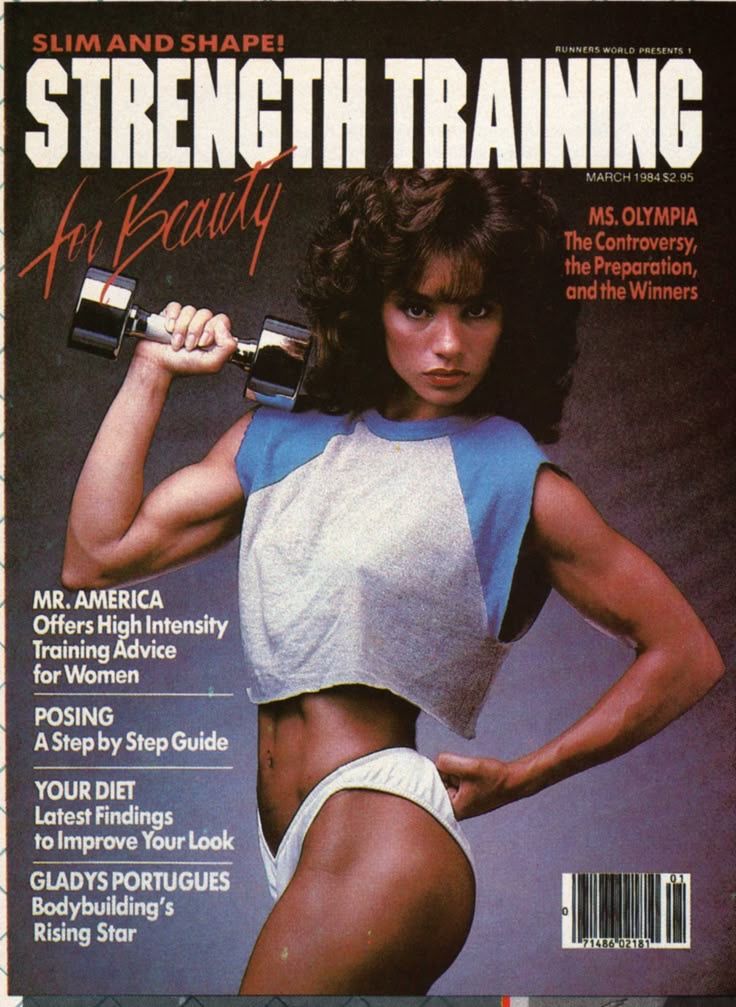
Shape Magazine - March 1984
Shape Magazine was a prominent American monthly fitness and wellness magazine. The title: “Strength Training for Beauty” suggests that for women in the 80s, building muscle was only socially acceptable if the end goal was still "beauty" or "improving your look." This issue features Gladys Portugues, a pioneer in women's bodybuilding yet the very first line at the top left is "Slim and Shape!", even top bodybuilding athletes were discouraged from having large muscles. The headline "Mr. America Offers... Advice” highlights the power dynamic and differences between men and women at the time, with men in positions of power and influence. The third headline, “Your Diet Latest Findings to Improve Your Look” is another example of diet culture focusing on changing how the body looks instead of fueling it.
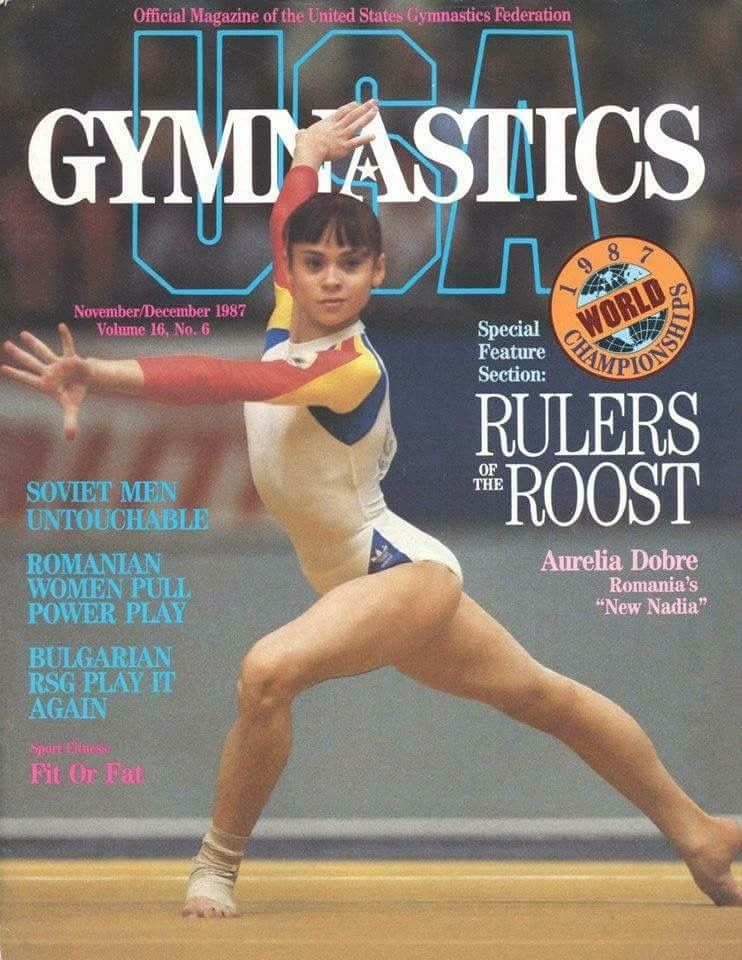
USA Gymnastics (Volume 16, No. 6) - November/December 1987
This official publication of USA Gymnastics, the national governing body for the sport in the United States, features a gymnast named Aurelia Dobre. However, she is immediately compared to another gymnast, Nadia Comaneci, as “Romania’s ‘New Nadia””. This highlights the objectification of young gymnasts as athletes who are only valuable if they are the best in their sport. Down in the bottom left a headline reads “Sport Fitness Fit or Fat” which shows the belief that athletes should be skinny and prioritize their look over their health. The culture of scrutinization of young women’s bodies is clear here as well with the headline about "Fit or Fat" right next to the image of a young gymnast, the gymnast in this photo is only 14 years old.
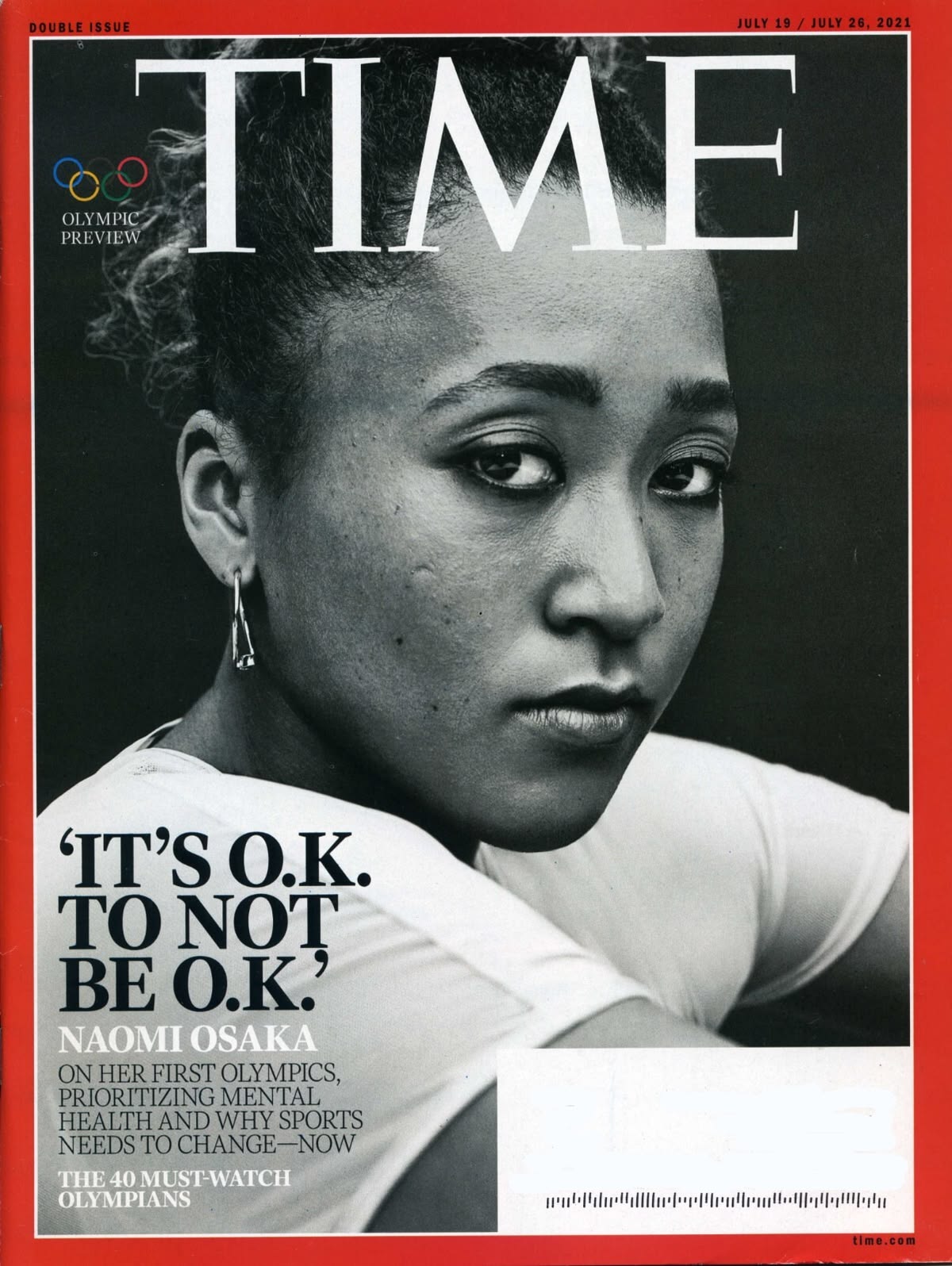
TIME Magazine - July 2021
TIME is a prominent American news magazine and global media brand known for its in-depth coverage of politics, business, science, and entertainment. Taking a turn into the 21st century, this cover features tennis player Naomi Osaka and is culturally significant because it marked the first time a major athlete of her stature so publicly prioritized mental health over the "show must go on" expectations of elite sport. The close up portrait marks a change from the full-body shots of older magazines, it shows Osaka as a person and not just an athlete. The headline “IT’S OK TO NOT BE OK” stands in stark contrast to the past headlines about diets and skinniness. Osaka proved that you can be an athlete and a human, inspiring others to share their own stories.
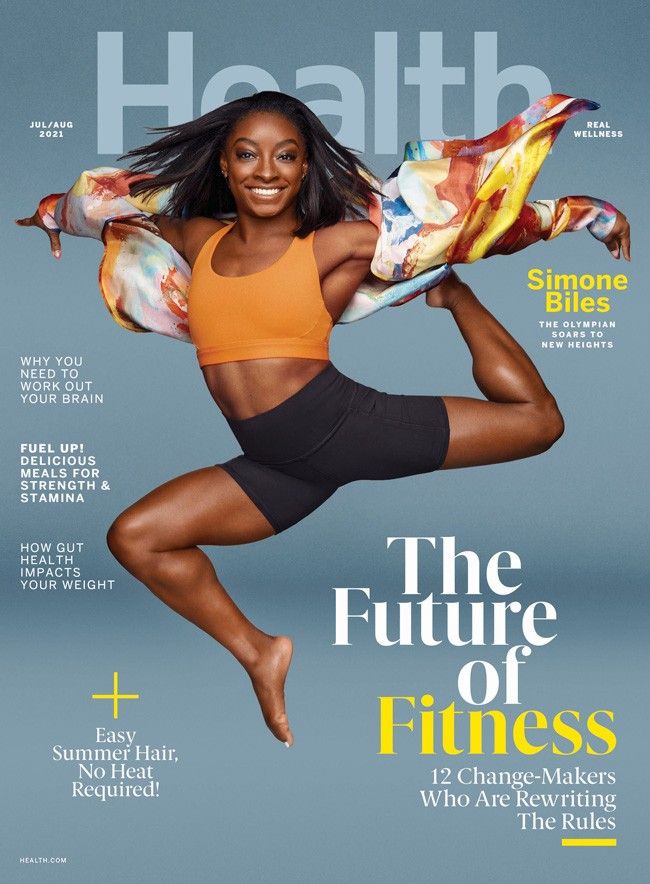
Health Magazine - July/August 2021
Health Magazine provides science-backed information on wellness, nutrition, and medical conditions and focuses on empowering readers with actionable, medically reviewed health content. On this cover, featuring Gymnast Simone Biles, Biles is 24 years old. Her muscular, powerful, and adult physique are visual rejections of the pre-pubescent "skinny" ideal that dominated the sport for decades. The headline "The Future of Fitness" claims she and others are "Rewriting the Rules", promising a bright future for women’s sports, where headlines like "Why You Need to Work Out Your Brain" and "Fuel Up! Delicious Meals for Strength & Stamina” instead of "Shape-Up" rule the media, promoting mental health and healthy eating.
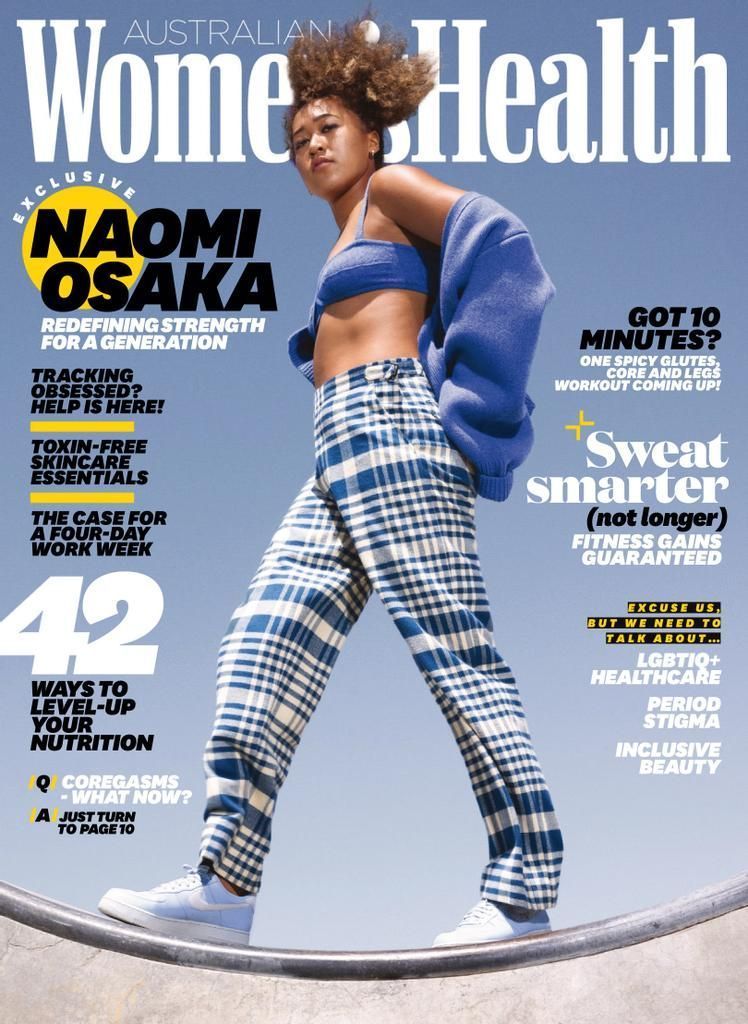
Women’s Health Australia - September 2021
Women’s Health Australia is a brand dedicated to health, fitness, nutrition, and wellness, aimed at helping Australian women live healthier lives. This issue features Naomi Osaka shows her in streetwear, giving a glance into her personality and portraying her as a unique individual, not just an athlete. Despite the progress made up to this point, the headlines on the right continue to present possible issues: "One spicy glutes, core and legs workout" and "Tracking Obsessed? Help is here!" It shows that the aesthetic of sports still leans heavily on targeted body modification which harbors the potential for unhealthy obsession surrounding athletes' bodies. However, these headlines are still significantly better than they used to be, noting "42 ways to level up your beauty" and "inclusive beauty" being present on the cover.
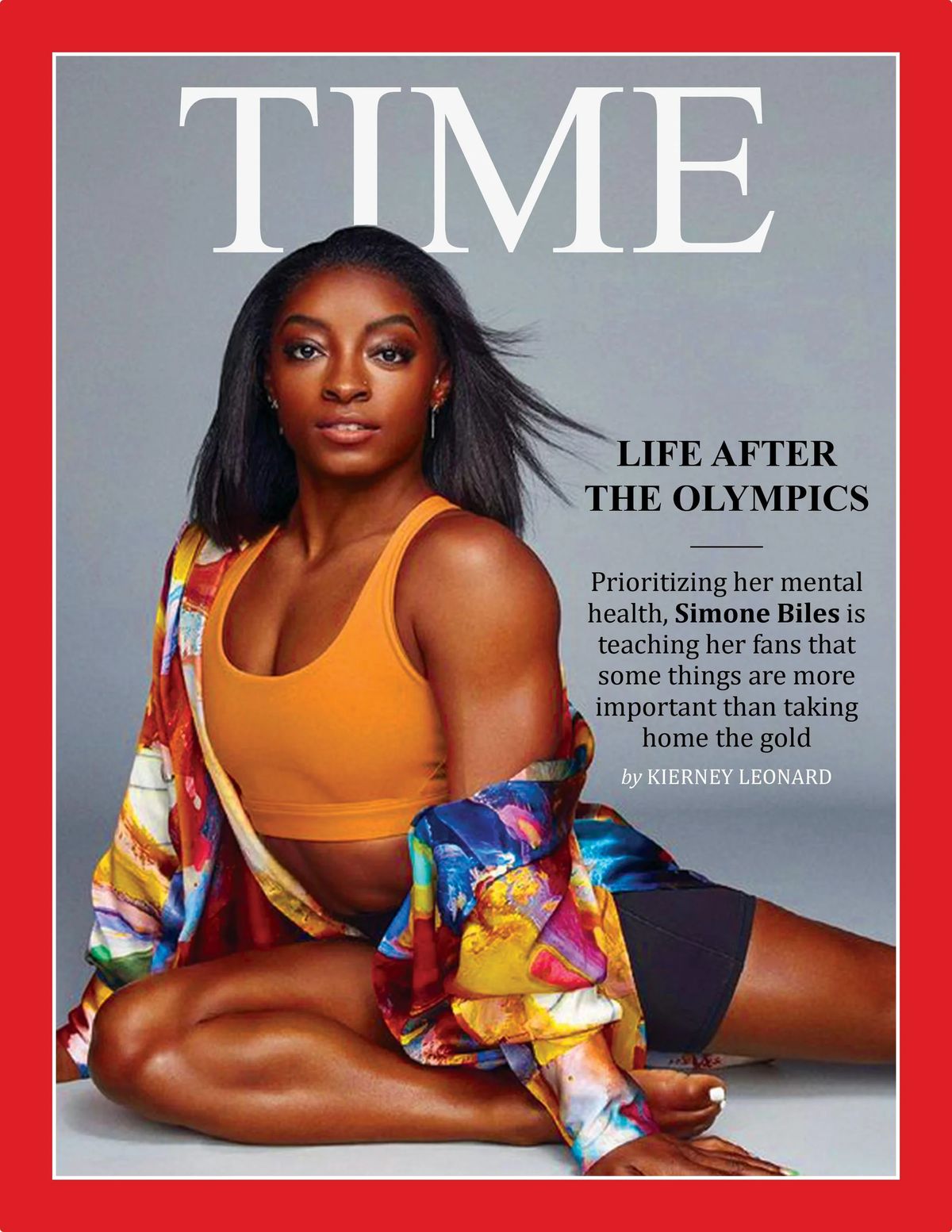
TIME Magazine - December 2021
TIME is a prominent American news magazine and global media brand known for its in-depth coverage of politics, business, science, and entertainment. Similar to the previous cover for Health, Simone Biles is presented here as a grown woman, muscular, poised, and looking directly into the lens. Her story is told in "Life After the Olympics", the headline specifically notes she is "teaching her fans that some things are more important than taking home the gold." This is a radical statement in gymnastics, a sport where athletes were historically treated as disposable tools for national glory. By stepping back during the Tokyo Olympics, Biles broke the culture of silence in gymnastics and the ideology that an athlete's body belongs to the sport, which is celebrated by this magazine which tells her story beyond her athletic retirement.
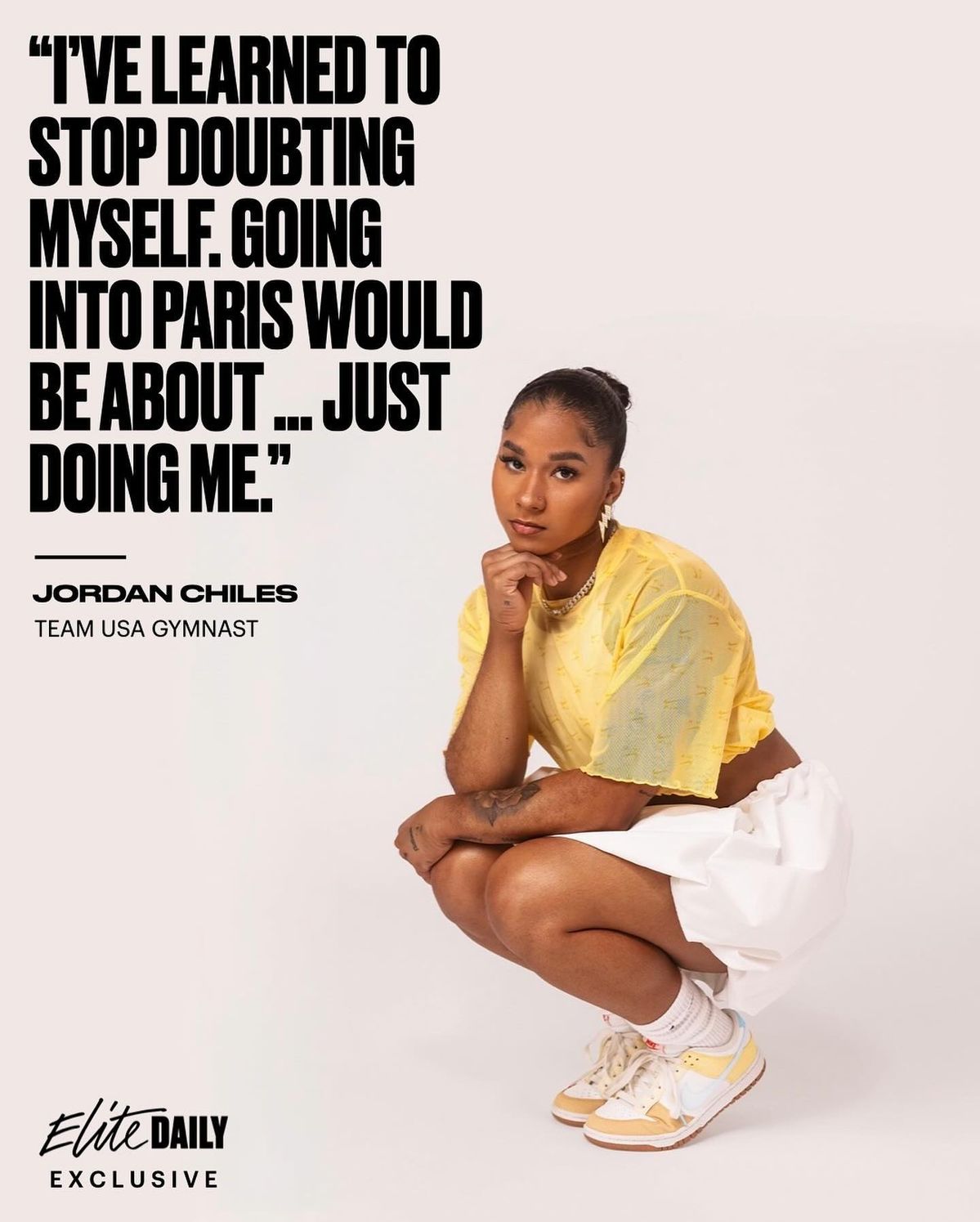
Elite Daily - May 2024
Elite Daily is a popular online news and lifestyle platform geared toward Millennial and Gen Z women. This cover features iconic Olympic gymnast Jordan Chiles. Chiles has been very public about her "Just Doing Me" philosophy, which is reflected in this cover. As an athlete she has never been shy about bringing her culture to the sport, and by changing the aesthetic with her hip-hop-inspired routines and bold fashion she is physically changing the culture that once allowed that abuse to thrive. The cover depicts Chiles as an adult with visible tattoos and distinct style, instead of only a gymnast and discusses her interests outside of the sport.
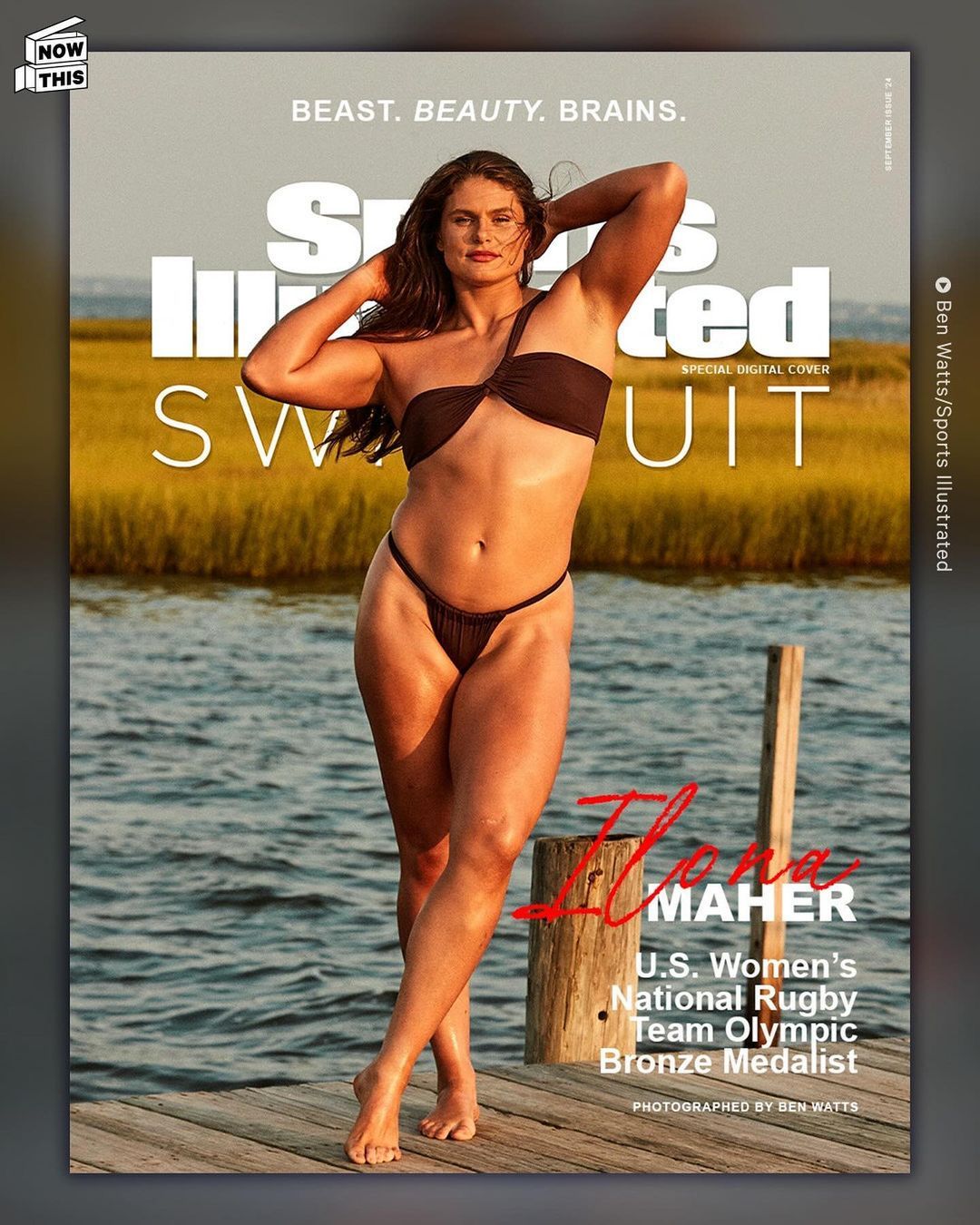
Sports Illustrated Swimsuit - August 2024
Sports Illustrated is an iconic American sports media brand, renowned for high-quality sports journalism, in-depth features, and award-winning photography. U.S. Olympic Rugby Bronze Medalist Ilona Maher takes the cover as a confident, muscular woman. Maher often talks about how her 200lb+ body is a machine designed for power, she doesn’t prioritize being skinny despite the opinions of others. Traditionally, the SI Swimsuit issue was the pinnacle of the "Male Gaze", having a muscular, 5'10" rugby player as the cover star represents a massive cultural shift in what society considers the aesthetic ideal. Maher inspires change in the sports community by confidently defying old norms of skinniness in athletes when muscles can serve their athletic purpose much better.

Teen Vogue - March 2026
Teen Vogue is a sister to Vogue, covering politics, social justice, and pop culture, often adopting a progressive, activist-oriented tone geared toward young people. This cover of features U.S. Olympic Figure Skater Alysa Liu, with her smiley piercing and dyed hair she doesn’t fit the "traditional" polished, balletic aesthetic of ice skating. Her distinct identity comes through with the use of expression, accessories, and styling to exude personality. The photo is so focused on Liu as a person that, upon first glance, it isn't obvious that she is an athlete, highlighting the human-first approach to sports media that is becoming popular. Liu is known for taking a two year hiatus from skating and coming back on her own terms, doing what she wants, eating what she wants, living how she wants, and skating better than ever.